The power of physical POS displays in retail
How POS displays shape perception and drive alcohol brand sales.

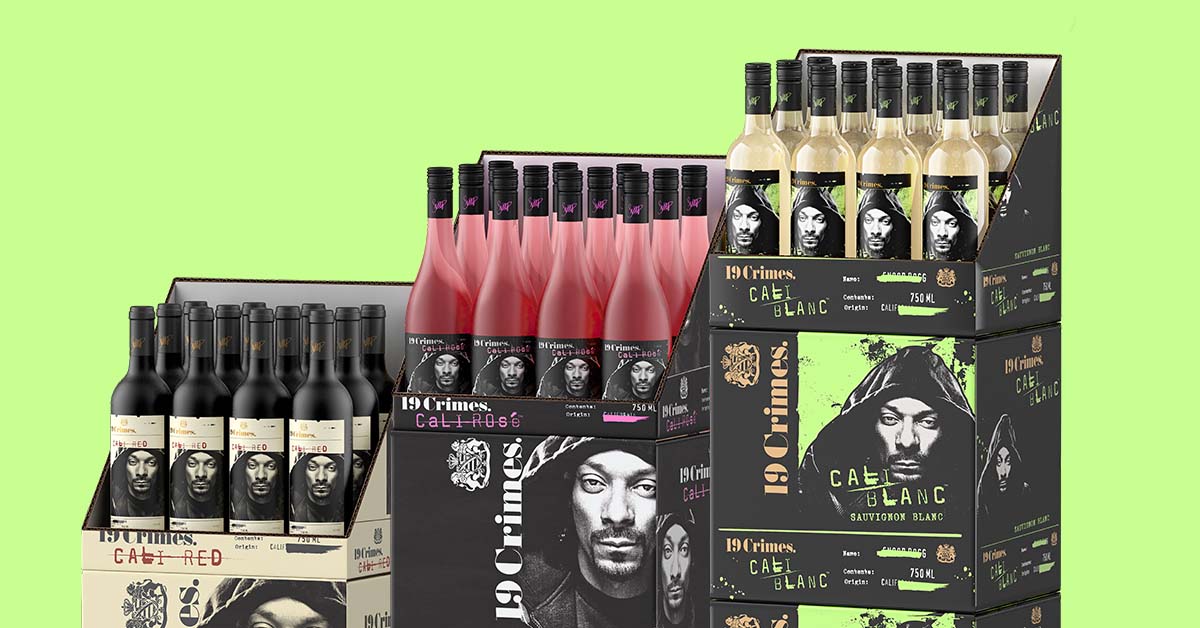
A point of sale (POS) display is freestanding retail merchandising: the case stacks, shippers, end caps, and standees that put your packaging in front of shoppers beyond the regular shelf.
It is also a pitch to the retailer before it is ever a pitch to the shopper. No buyer hands over floor space without seeing exactly what will sit on it.
Most beverage brands pour their energy into the label and the shelf, then treat the display as an afterthought. The shopper research says that order is backwards.
POPAI's 2014 Mass Merchant Shopper Engagement Study, which tracked close to 3,000 US shoppers, found that 82 percent of purchase decisions are made in the store, up from 76 percent in its 2012 grocery study. The research is over a decade old, so treat the exact figure as a durable benchmark rather than fresh data. Its direction has not changed: the store is where the decision happens.
That in-store moment is also getting more contested. NIQ measured US off-premise beverage alcohol dollar sales down 3 percent year over year in the first half of 2025, which means more brands competing for fewer purchases.
Key points
- A point of sale display is a strategic sales tool, not just a stack of product. It shapes how shoppers perceive your brand in the store.
- Every display has two audiences: the retail buyer who approves the floor space, and the shopper who walks past it.
- Most purchase decisions are made in-store, which makes the display one of the highest-impact moments in the buyer's journey.
- Seasonal and limited releases benefit most, because a display creates urgency the shelf cannot.
- Photorealistic 3D renders of your display are what persuade a retail buyer to say yes, before anything is printed or shipped.
How physical displays change buying behavior
More engagement, more conversions
A display shipper interrupts the walk down the aisle. It gives shoppers a reason to pause, and a pause is the first step toward a purchase.
Displays are also flexible. You can showcase a range of products, or put the full footprint behind one new release.

Visibility in a crowded store
However good your product is, it will not sell if shoppers never see it. A display raises your packaging above the visual noise of a busy retail environment.
Placed in a high-traffic spot, an end cap or floor stack gets seen by nearly everyone who walks the store.
Branding beyond the shelf
A display is the largest branded surface your product will ever get in a store. It gives you room to tell the story a label cannot: origin, accolades, pairings, personality.
See how Outshinery delivers assets before Tank Garage bottles a wine, letting the team prototype display concepts and promote new releases well in advance.

Why POS displays matter for alcohol brands
Wine, beer, spirits, and RTD brands fight for attention in some of the most crowded aisles in retail. A well-designed, well-placed display is often the reason a shopper picks up your packaging instead of the one beside it.
Guiding shoppers and driving impulse purchases
A case stack does two jobs at once. It educates shoppers on what makes the product distinct, an origin story, a food pairing, a critic score, and it invites the impulse purchase from shoppers who walked in for something else.

Promoting seasonal and limited editions
Displays are built for the calendar. A holiday case stack or a limited-release floor display creates urgency and exclusivity that a shelf position cannot.
This is also where props earn their keep. Oversized sunglasses, balloons, standees, string lights, anything that breaks the standard display format pulls attention toward your brand.

Standing out from the competition
New releases, award winners, collaborations: a display puts the spotlight exactly where you want it. On a crowded shelf, differentiation is a fight. On a display, you own the whole frame.
Types of POS displays for beverage brands
Beverage brands typically choose from nine standard display formats: counter, floor, end cap, fridge, pallet, power wing, dump bin, clip strip, and standee displays. Here is what each does best.
- Counter displays: compact units at the checkout, suited to small formats and impulse buys.
- Floor displays: freestanding units for high-traffic areas, with room for a full range or a single hero product.
- End cap displays: positioned at the end of an aisle, in the path of every shopper moving through the store.
- Fridge displays: placed near the refrigerated section, built for beer, RTD, and anything sold cold. Beer displays in particular live and die on cooler placement.
- Pallet displays: full pallet loads dressed for retail, suited to bulk promotions and high-volume periods.
- Power wing displays: hung on the sides of end caps or along aisles, also called sidekick displays.
- Dump bins: open-top bins for bulk or discounted items.
- Clip strips: add-on merchandising strips for smaller containers and accessories.
- Standee displays: larger-than-life standalone pieces, often with life-size graphics, built to generate buzz around a launch or limited edition.
Each format serves a different goal. The right pick depends on the space available, the campaign, and the product you are promoting.

How to win prominent retail display space
Getting your wine, beer, RTD, or spirits brand prominently displayed comes down to three moves.
- Present a range of display options. Bring the buyer case stacks, case cards, and standees matched to their space and your campaign goals, so saying yes is easy.
- Build strong retailer relationships. Reliable service, on-time deliveries, and fair terms make you a partner worth giving floor space to, not just another vendor.
- Show the display before it exists, with 3D renders. A photorealistic render lets the buyer see exactly how your display will look in their store, which separates you from every competitor pitching with a sketch or a spec sheet.

Using 3D renders of POS displays to persuade retailers
Retail buyers say no to uncertainty. A photorealistic render removes it, showing your case stack or shipper exactly as it will appear on their floor.
Outshinery Studio builds these as Custom-Made Content: your packaging, your display structure, and the store setting, rendered by 3D artists before anything is printed. The same render that wins the buyer also works in your sell sheets and distributor presentations.
Renders let retailers picture how shoppers will move around the display in their own store. When the buyer can see it, the floor space conversation gets much shorter.

Renders also make experimentation cheap. You can test different designs, layouts, and footprint sizes before committing to production, which saves budget and gives floor managers real options to choose from.
A well-crafted render is not just a picture of a display. It is the pitch: an experience, a vision, and a credible case for the return on the retailer's floor space.

The bottom line
POS displays drive sales, visibility, and brand recall in the aisles where most purchase decisions actually happen. For alcohol brands, they are one of the few remaining ways to interrupt a shopper mid-store.
The brands that win floor space are the ones that make the retailer's decision easy. Photorealistic 3D renders of your displays do exactly that, and they are ready before the first shipper is printed.

Frequently asked questions
What is the main purpose of display shippers?
Display shippers, also called case stacks, create visual impact, draw attention to specific products, educate shoppers on unique offerings, and promote seasonal or exclusive releases. They drive impulse purchases, lift sales, and build brand recognition in-store.
What types of POS displays can brands use in retail?
The standard formats are counter, floor, end cap, fridge, pallet, power wing, dump bin, clip strip, and standee displays. Each serves a different placement and goal, from checkout impulse buys to full pallet promotions.
How do 3D renders help win retail display space?
A 3D render shows the retail buyer exactly how a display will look in their store before it is produced. Brands can test designs, layouts, and footprint sizes without production costs, and buyers approve floor space faster when they can see the finished result.
What is the best way to start with POS displays?
Start by matching your brand to the right store and the right display format for the space available. Then pitch the buyer with photorealistic renders of the display options.
- Know the retail landscape and match your brand to the right store.
- Show how the display fits a wider marketing campaign.
- Present display options sized to the space, objective, and budget.
- Pitch with 3D renders so the buyer sees the result before production.
- Add unexpected elements, props, lights, standees, to stand out.
- Keep retailer relationships strong with dependable service and terms.
- Refine your displays based on sell-through and retailer feedback.
Keep reading
- Mastering point of sale design, the full guide to alcohol POS displays
- How shipping and packaging choices shape what reaches the shelf
- POS display renders for beverage brands, how Studio builds end-caps, floor stacks, and pallet displays in 3D before anything is printed.